Why Boyacá, Colombia Is the Best-Kept Secret for Spanish Immersion Travel
There’s a moment that happens in Boyacá that doesn’t happen anywhere else I’ve traveled in Colombia.
You’re sitting in a small tienda, maybe ordering a tinto, maybe asking for directions, and the person across from you just… talks to you. Not the slowed-down, simplified Spanish that locals reserve for obvious tourists. Not English. Just regular, warm, unhurried Spanish. The kind you actually have to use your brain for. The kind that, if you lean into it, changes you as a traveler.
That moment is why Boyacá is the destination I keep coming back to when someone asks me where they should go if they actually want to learn Spanish, not just survive it.
I’ve spent time across Colombia. Medellín is electric. Cartagena is stunning. Bogotá is endlessly fascinating. But Boyacá? Boyacá is where the immersion actually happens.
What Makes Boyacá Different
Colombia is having its moment as a travel destination, and for good reason. But that popularity has a side effect: in the most visited cities, you can go days without needing to speak a word of Spanish if you don’t want to. English menus, English-speaking staff, well-worn tourist trails.
Boyacá, the mountainous department about three hours northeast of Bogotá, hasn’t been absorbed into that circuit yet. And that’s everything.
The towns here are small. Villa de Leyva, Tunja, Ráquira, Monguí. They have tourists, yes, but not in the kind of volume that changes how locals interact with visitors. You’re not the tenth foreigner that server has spoken to today. You’re a person, sitting across from another person, and Spanish is the only bridge between you.
That’s not a limitation. That’s the whole point.
Language immersion works when you have no comfortable exit. When you can’t default to English, your brain stops translating and starts thinking in Spanish. Boyacá creates those conditions naturally, without manufacturing them.
The Language Landscape in Boyacá
The Spanish spoken in Colombia is widely considered one of the clearest in Latin America. It’s slower-paced, less slang-heavy, and with pronunciation that’s far easier to follow than coastal Colombian Spanish or rapid-fire Bogotano conversations.
Boyacá takes that clarity one step further. The accent here is soft, the pace is unhurried, and the vocabulary is rooted enough that even intermediate Spanish speakers can follow conversations without constantly asking for repetition.
For travelers learning Spanish, this is genuinely significant. You’re not thrown into the deep end. You’re eased in and then gently pushed further than you expected to go.
If you want to go deeper before or during your trip, our sister site Speak Spanish Boyacá offers destination-specific language prep built around the Boyacá experience. The phrases, the context, and the cultural cues that make a real difference when you’re in the field.
Where to Base Yourself
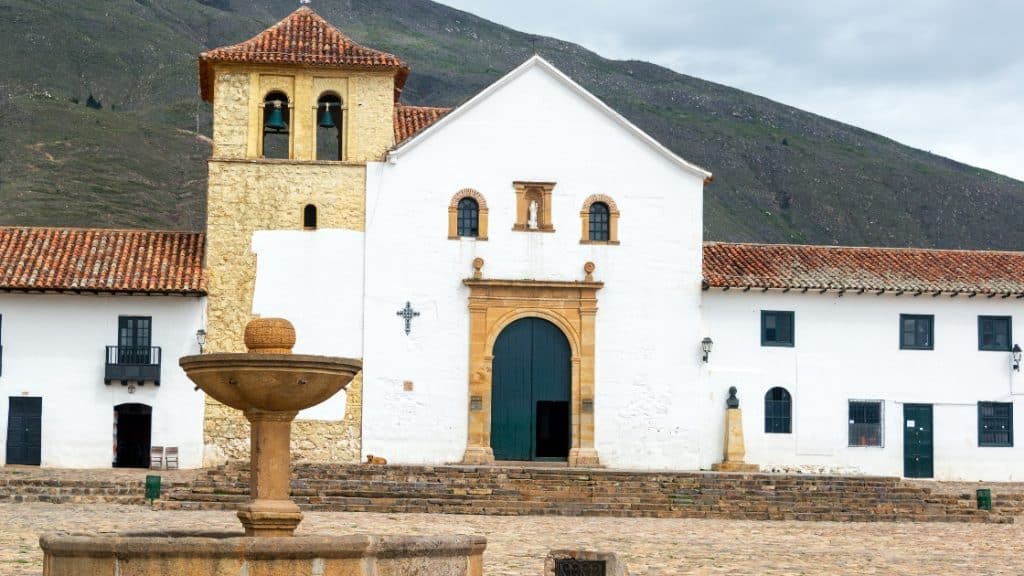
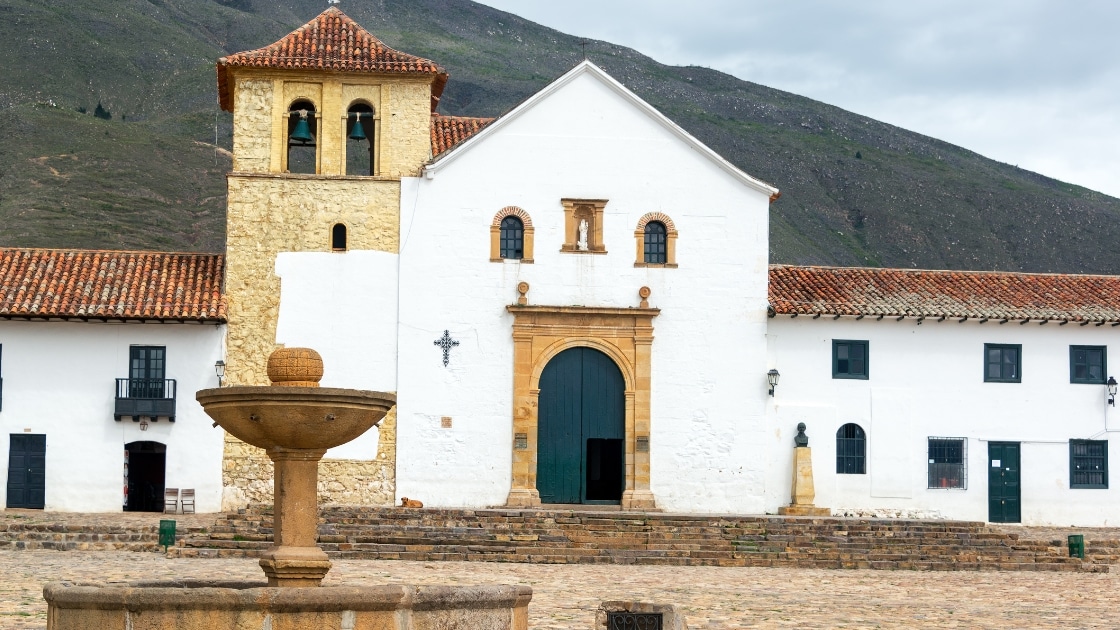
Villa de Leyva is the most obvious starting point, and it earns that reputation. The cobblestone streets, the whitewashed colonial architecture, the enormous Plaza Mayor. It’s one of the most visually striking towns in all of Colombia. Wander the market on Saturdays, talk to the artesанía vendors, get lost in the side streets. Every conversation is a language lesson.
Tunja is the departmental capital and a more real city. Less polished for tourists, more alive in the way that working Colombian cities are. The people are warm, the prices are local, and the pace is slower than Bogotá without feeling sleepy. It’s also home to some remarkable colonial churches that rarely appear on anyone’s highlight reel.
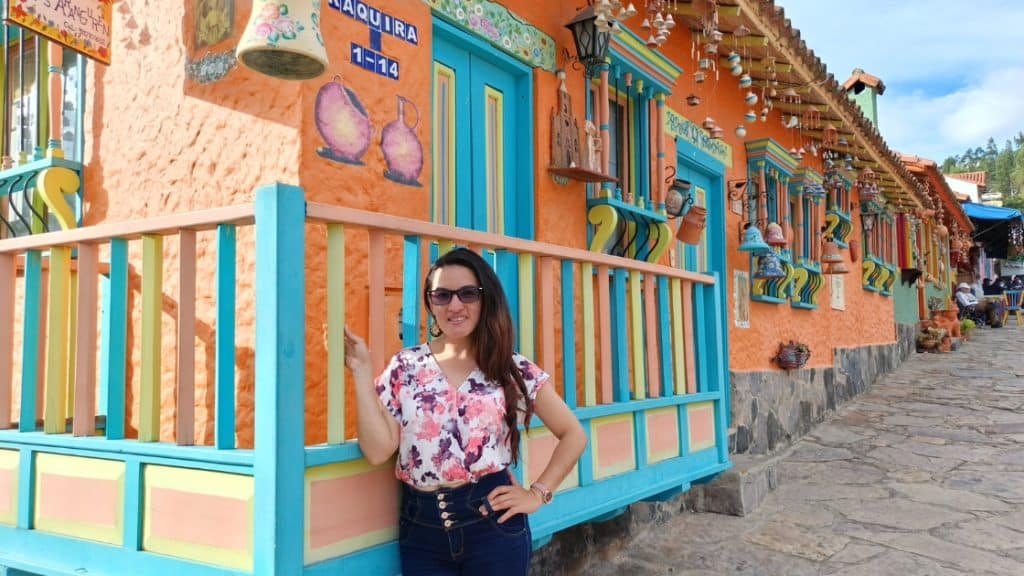
Ráquira and Monguí are the kind of small pueblos that make you want to cancel your flight home. Ráquira is Colombia’s pottery capital, bright and colorful and full of artisans who are genuinely happy to tell you about their work if you ask, in Spanish, naturally. Monguí sits at altitude with mountain views that will ruin you for other places.
The combination of these towns, a few days each, connected by winding mountain roads, gives you the kind of varied immersion experience that a single city simply can’t match.
 What to Expect as a First-Time Visitor to Boyacá
Boyacá is safe, welcoming, and genuinely underrated. A few things worth knowing before you go.
- The altitude is real. Most of the region sits between 2,500 and 3,000 meters above sea level. Give yourself a day to adjust before you try to do too much. Drink water, go easy on the first night, and let your body catch up.
- The food is simple and excellent. Boyacense cuisine is hearty, warming, and deeply local. Ajiaco, changua, mazorca. These aren’t dishes you find on fusion menus. You find them at family restaurants, markets, and small comedores where the menu is whatever they made that day. Point, ask what it is, eat it. That’s the approach.
- Locals are genuinely warm. Boyacá is not a place where people merely tolerate tourists. They actually seem to enjoy them, curious about where you’re from, patient with your Spanish, often willing to extend conversations if you show interest. That openness is part of what makes immersion work here.
- Cash still matters. While cards are increasingly accepted, many smaller establishments, especially in the pueblos, prefer efectivo. Have local pesos on hand and you’ll never have an awkward moment at the checkout counter.
How to Make the Most of Your Immersion Trip
Showing up and speaking Spanish is the whole game, but a few approaches tend to make the biggest difference.
- Stay longer than feels comfortable. Three days in Boyacá is a taste. Seven to ten days is where the actual shift happens, where you stop consciously translating and start just responding. If immersion is your goal, don’t shortchange the timeline.
- Eat where locals eat. Not the restaurant near the central plaza with the laminated English menu. The small comedor two streets over where there’s no menu at all, just a woman who tells you what she made today. That table is a classroom.
- Ask questions you already know the answer to. Point at something you recognize and say ¿Qué es esto? Ask for the price even when it’s written on the tag. The point isn’t the answer. It’s the practice of initiating and sustaining conversations.
- Use Speak Spanish Boyacá to prep before you land. The phrases you need in Boyacá are different from generic textbook Spanish. Spend time with destination-specific vocabulary at speakspanishboyaca.com and you’ll arrive with a head start that actually means something.
Why This Is the Trip Lingo Society Was Built For
Travel has a way of teaching us things that classrooms never could, but only if we’re prepared to engage with a place instead of just observing it. Boyacá is the kind of destination that rewards engagement deeply. The language, the culture, the people, the food. All of it responds to curiosity.
That’s the kind of travel Lingo Society exists to support. Not the highlights-only version. The version where you come home changed.