Buenos Aires Like a Local: A First-Timer’s Guide to the City’s Real Rhythm
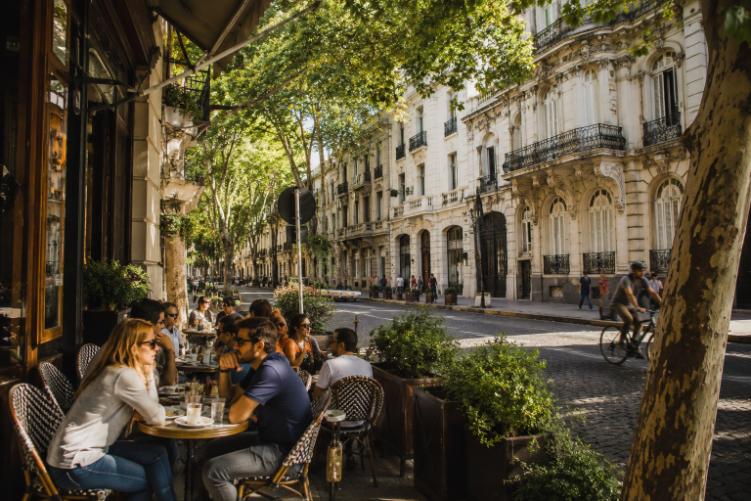
Buenos Aires is one of those cities that gets called the “Paris of South America” so often it almost obscures what’s actually happening here. Yes, the architecture borrows from Europe. Yes, there are wide boulevards, gilded cafés, and a metro system that feels like a Parisian time capsule. But spend a week in Buenos Aires and you realize the city is doing something entirely its own — and that the European framing is what trips up most first-time travelers. The real Buenos Aires runs on its own clock, in its own neighborhoods, with its own social code. Once you sync up to it, the city opens in a way no guidebook quite prepares you for.
The City Runs Three Hours Behind You
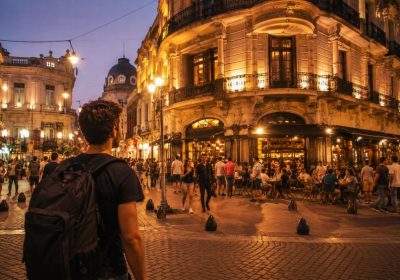
The single biggest adjustment for a first-time traveler in Buenos Aires is the schedule. The Argentine day is shifted later than almost any city in the Americas. Lunch happens between 1 and 3pm — long, leisurely, often with wine. Then the city quiets. From around 4 to 8pm, kitchens close, locals rest or work, and even cafés thin out. Dinner doesn’t start until 9:30 or 10pm, and most restaurants don’t fill up until 11. Bars come alive at midnight. Clubs at 2am. If you arrive on a North American schedule and try to eat dinner at 7pm, you’ll find yourself in empty restaurants getting confused service. Shift your day two to three hours later and the whole city falls into place.
Neighborhoods Are the Whole Game
Buenos Aires is a city of neighborhoods, and choosing the right one for your stay matters more than which hotel you book. Palermo is the most popular for first-timers — walkable, leafy, packed with restaurants, design shops, and nightlife. Within Palermo, Soho leans creative and casual, while Hollywood is bigger streets and more polished dining. Recoleta is elegant, museum-rich, and home to the legendary cemetery and some of the city’s most beautiful architecture. San Telmo is the historic, slightly grittier neighborhood famous for its Sunday antiques market and old-school tango halls. Puerto Madero is the new, upscale, riverside district — modern, slightly sterile, but home to some of the best high-end hotels. Pick your neighborhood by the kind of trip you want, not by the hotel.
Cafés Are the Living Room of the City
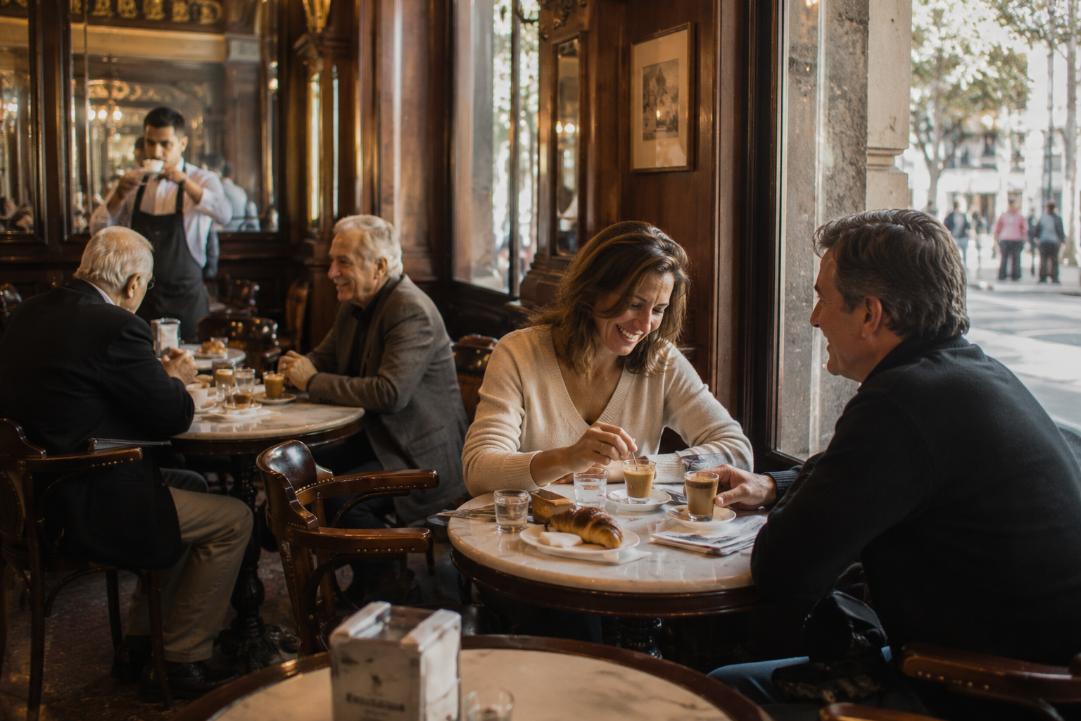
If there’s one Buenos Aires habit to learn quickly, it’s café culture. Cafés here are not transactions. They are not coffee on the way to something. A café in Buenos Aires is a place to sit for two hours with a book, a notebook, a friend, or just the morning light. Order a cortado (espresso with a splash of milk) and a medialuna (a small, slightly sweet croissant). Take your time. The waiter will not bring the bill until you ask. Hovering or rushing is considered rude on their part — your table is yours for as long as you want it. Once you understand that cafés are the city’s living room, you start using them like locals do, and your trip slows down in exactly the right way.
The Parrilla Is the Heart of the Trip
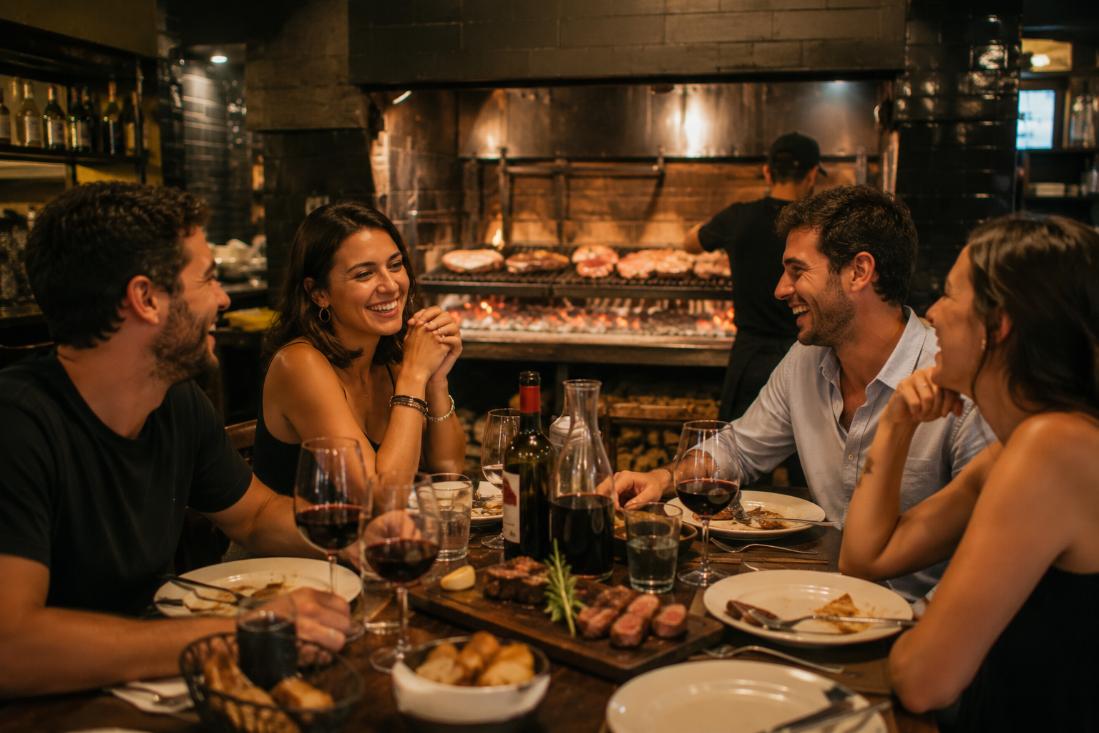
You cannot understand Buenos Aires without an asado or a long parrilla dinner. The Argentine steakhouse is not a meal — it’s a three-hour social event. Provoleta (grilled provolone with oregano) to start, chorizo on the grill, ribeye or bife de chorizo as the centerpiece, chimichurri on everything, a bottle of Malbec on the table that lasts the whole night. Don Julio in Palermo is the famous one and reservations are essential, but the real magic also happens at smaller neighborhood parrillas where the grill master has been working the same coals for thirty years. Don’t rush it. Don’t ask for the bill. Argentines treat the parrilla as a kind of weekly ritual, and travelers who lean into it find the trip lands on a different emotional level.
The Real Buenos Aires Lives in the Pace
What makes Buenos Aires extraordinary is the unhurried rhythm — the long lunches, the late dinners, the cafés that hold space for you, the way an evening unfolds rather than gets scheduled. You can do every museum, every tango show, every famous parrilla. But what most travelers remember a year later is the morning at a corner café, the random conversation at the next table, the walk through Palermo when the autumn light turned the leaves gold. The city rewards travelers who slow down enough to receive it.
This is the kind of city we help you actually arrive in — not just visit. The full Buenos Aires playbook is free inside the Lingo Society community. Come join us.