What Nobody Tells You About Buenos Aires (Until It’s Too Late)
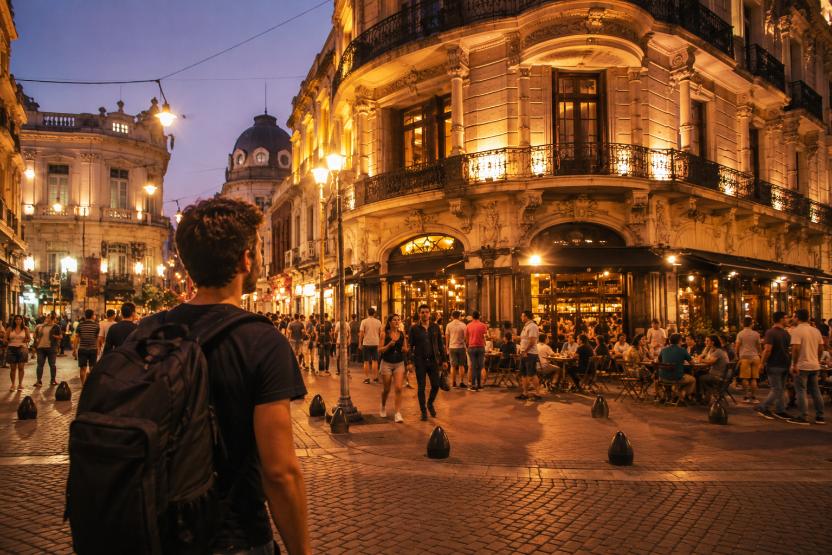
First-time travelers to Buenos Aires arrive expecting a sophisticated, European-feeling South American capital — and they’re not wrong. But somewhere between landing at Ezeiza and dinner on night two, most of them run into the same handful of surprises that nobody mentions in glossy travel content. Some are charming. A few will trip you up if you’re not ready. Here’s the honest version of what your first week in Buenos Aires is actually like, and why a little preparation transforms the trip from confusing to magical.
The Money Situation Is Genuinely Weird
Argentina has one of the more complicated currency situations in Latin America, and it changes more often than any guidebook can keep up with. The Argentine peso has been volatile for years, and there have been periods where official exchange rates and unofficial “blue” rates differed dramatically. Today, most upscale restaurants, hotels, and stores accept credit cards, and you’ll often get a favorable rate when paying with foreign cards. But there are still cash-only spots, especially smaller cafés, taxis, markets, and tipping. The move: arrive with some U.S. dollars in cash, exchange a portion at your hotel or a reputable currency house, and pay with a credit card whenever possible at sit-down restaurants. Don’t try to optimize this on the fly — ask your hotel concierge on day one and they’ll save you a lot of guesswork.
You Will Eat Dinner Late or Eat Alone
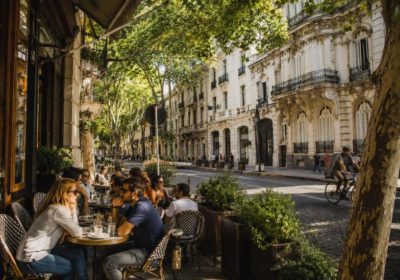
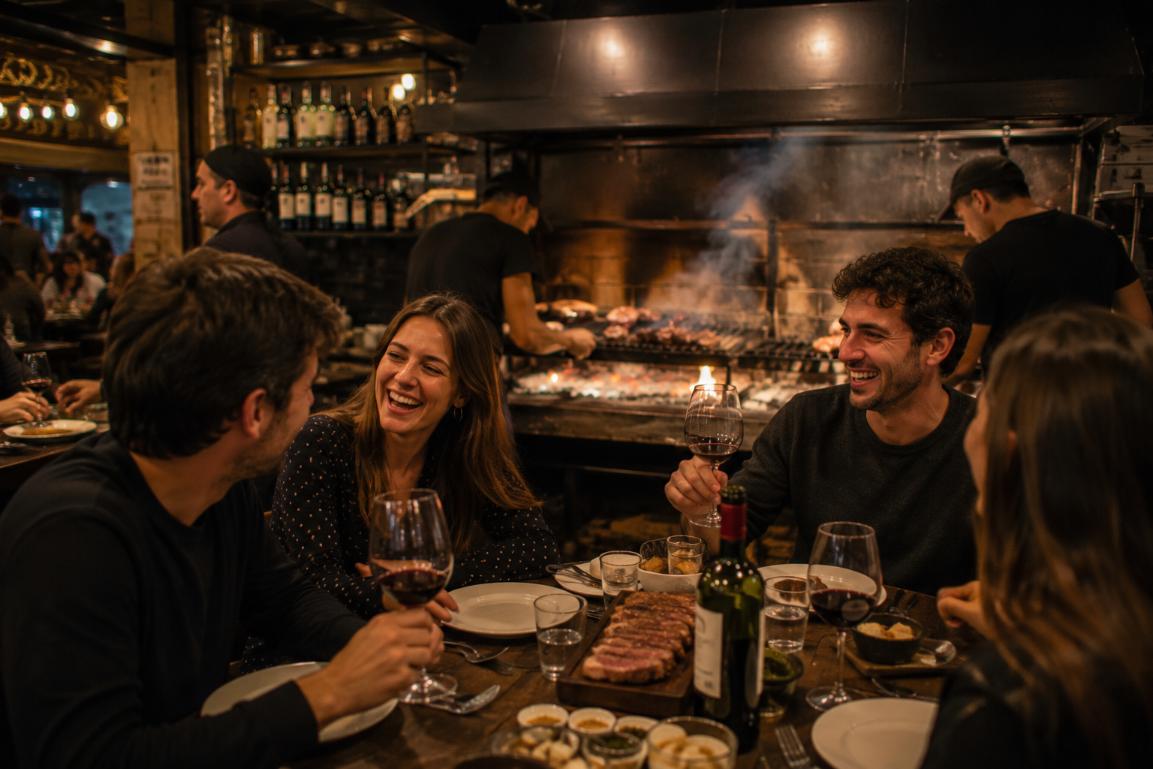
We mentioned this above and we’re saying it again because it’s the single biggest reality check. The Argentine schedule is shifted later than what most North Americans are used to. Restaurants do not fill up until 10pm. Walking into a “great spot” at 7:30pm and finding it half-empty doesn’t mean the place is overrated — it means you arrived three hours early. Adjust your day. Have a long lunch. Take a merienda (afternoon café and pastry) around 5 or 6pm to bridge you. Show up to dinner at 9:30 or 10. The food, the energy, and the service are all different at the right hour.
Steak Is Not Just a Trope — It’s an Identity
Argentina’s beef culture is real. The asado (barbecue) is a weekly social ritual for many families, and the parrilla (steakhouse) is one of the country’s defining cultural institutions. What surprises first-timers is how good even the average parrilla is. You don’t need to chase the most famous spot. A neighborhood place with a working grill, a packed dining room, and a queue out the door will deliver one of the best steaks of your life. Order the bife de chorizo or ojo de bife, ask for it jugoso (medium-rare), pair with a Malbec from Mendoza, and don’t fill up on bread. Vegetarians: it’s harder here than in most South American capitals, but Palermo has excellent options. Don Julio (legendary, reservation essential), Niño Gordo (Latin-Asian, lively, great for solo diners), and Crizia (fine dining, seafood-forward) are reliable starting points.
The Spanish Is Different Than What You Studied
If you’ve studied Spanish in a classroom or with an app, your textbook Spanish will technically work in Argentina — but it won’t sound right, and it won’t always be understood the way you expect. Argentines use vos instead of tú, with its own conjugations. ¿Cómo estás? becomes ¿Cómo andás? The double-l and y are pronounced “sh” (so calle sounds like “ka-shay”). Che is the universal attention-getter. None of this means you can’t function — Argentines are warm and forgiving with travelers — but a few hours of prep before your trip transforms the social texture of the entire week.
Tango Is Not a Tourist Show
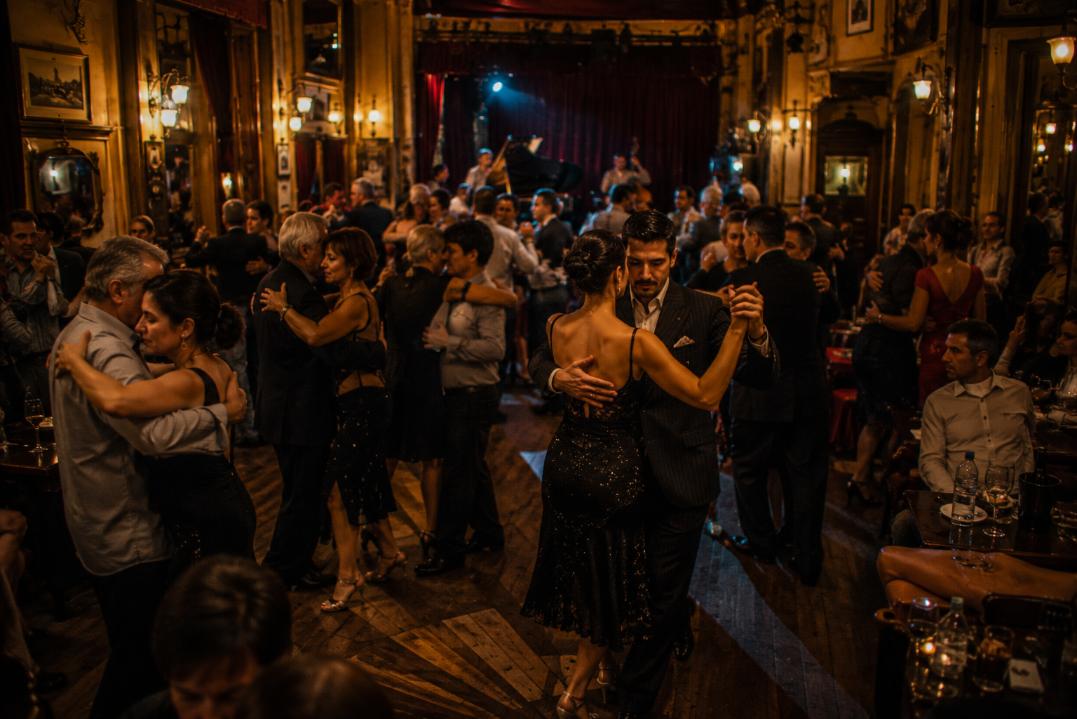
The biggest mistake first-timers make is paying for an expensive dinner-and-tango show and assuming they’ve seen tango. Those shows are fine. They’re polished. But the actual culture is happening in neighborhood milongas — tango social dance halls where porteños dance with each other on weeknights. You can attend as a visitor at most milongas, take a beginner class beforehand, and watch one of the deepest social dance traditions in the world unfold around you. It is unforgettable in a way no theatrical show can match.
The City Rewards Slow Travelers
Buenos Aires is a long city. It’s a wide city. It is not a checklist city. The first-timers who try to do every museum, every parrilla, every neighborhood, and every show in five days leave exhausted and slightly underwhelmed. The travelers who pick two neighborhoods, build their day around a long lunch and a late dinner, and leave room for accidents — the random café conversation, the unplanned walk through Recoleta — leave saying it was the best trip of their life.
The real Buenos Aires playbook (money, neighborhoods, language, the schedule) is free inside the Lingo Society community. Come find us.